
PNG’s digital divide is as much an economic gap as a technology one. It decides who can reach customers, access information, deliver services and compete on equal terms.
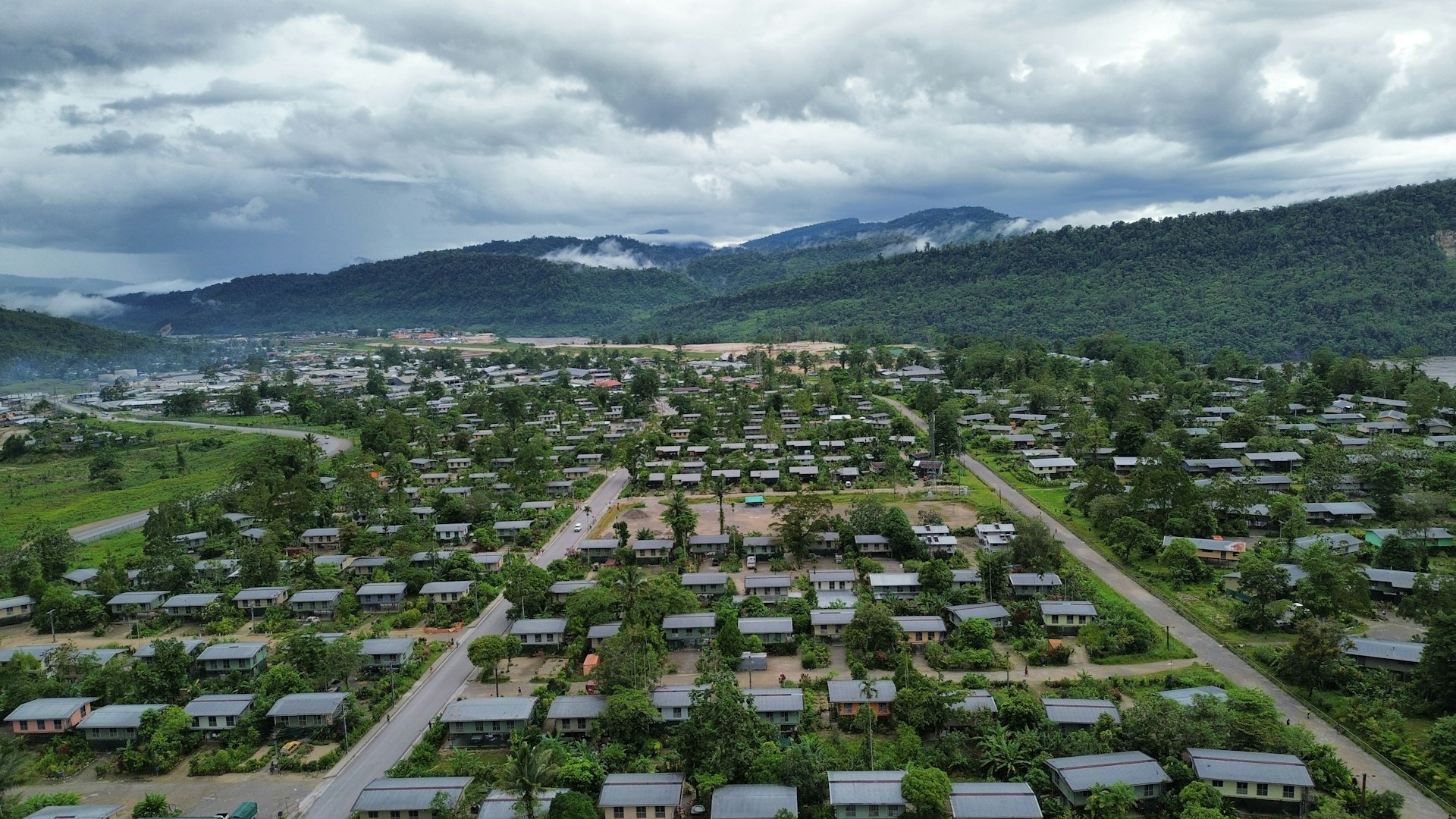
Port Moresby: businesses here mostly have connectivity options, but face real reliability and cost pressure once backup lines and power are factored into the true cost of staying online.
Lae: a similar story, with growing 4G coverage but gaps that still push businesses toward hybrid setups rather than a single reliable line.
Provincial centres: connectivity is patchier, and businesses often end up building operations around outages rather than around growth.
Remote sites: many of these locations are only now becoming realistically connectable, largely because of satellite options entering the market.
We’ve worked with organisations where no one owned the shared inbox, and customer enquiries sat unread for days every time connectivity dropped. That reflects a process gap that connectivity problems tend to expose.
When a community or business goes offline, the cost isn’t abstract. Students lose access to learning materials, health facilities struggle to run digital systems, and small businesses can’t market, sell or communicate beyond their immediate area. The Ministry of ICT confirmed that US$30 million in US-backed funding is going toward satellite internet for remote health facilities, schools and disaster centres, a clear signal of how large the gap still is. We see the same pressure on the private sector side. Businesses in the cities are still dealing with affordability and reliability barriers, so smaller and rural operators are working with a harder version of the same problem.
Businesses in connected areas use cloud tools, online payments and digital marketing to expand their reach. Businesses in disconnected areas keep running manual processes and stay boxed into local trade. We’ve seen this play out at the business level long before it shows up in national statistics. There’s a governance cost too. Government services expected to move faster and more transparently end up relying on expensive physical channels instead, and citizens pay for that gap in time and money.
The gap isn’t the same problem everywhere, and the right response changes with it. A Port Moresby head office is usually balancing Fibre against LTE as backup, chasing reliability rather than access. A provincial branch is often working entirely on mobile connectivity, so the decision is less about speed and more about which network holds up when it matters. A remote operation is a different conversation again: Starlink has moved some of these sites from no realistic option to a working one, which changes what the business can plan for, not just how it gets online.
Treating those as three separate business decisions makes the plan a lot more practical.
PNG needs the right mix of fibre, mobile broadband and satellite, matched to geography and actual use case. The government’s National Telecommunications Blueprint matters because it can direct investment to where the need is greatest, but policy also has to keep affordability in view. Expansion without affordable data, reliable power and local maintenance capacity only creates partial access.
Closing the digital divide is as much an economic undertaking as a connectivity one, and it needs infrastructure, policy discipline and coordination between government and the private sector to actually move.
The right investment should either increase revenue, reduce costs, improve customer experience or lower business risk. If it doesn’t do one of those four things, it’s probably the wrong investment, no matter how modern it looks.
Image credit by Emmanuel Umsim



Hello! Thank you for contacting us. We always aim to help our clients and customers. kindly review and select your request type;